· Editor · 6 min read
Polypropylene vs. ABS Plastic
Polypropylene (PP) and ABS are two of the most common thermoplastics in automotive, consumer goods, and 3D printing. Compare ten key property differences to pick the right material.
Polypropylene (PP) and acrylonitrile butadiene styrene (ABS) are two widely used engineering plastics. You’ll find them in automotive components, housings, packaging, and desktop 3D printing. Both are relatively affordable and straightforward to process, yet they behave differently under chemical exposure, impact, heat, and finishing requirements.
Because the trade-offs aren’t obvious at a glance, material selection often comes down to a practical polypropylene vs. ABS comparison rather than a single “better” answer. This guide walks through ten distinctions that matter most when specifying parts for production or prototyping.
Polypropylene vs. ABS Plastic: 10 Key Distinctions
Polypropylene and ABS each occupy large market niches—but with different property profiles. The sections below compare them side by side on chemistry resistance, mechanical behavior, processing, cost, and typical end uses.
1. Chemical Resistance
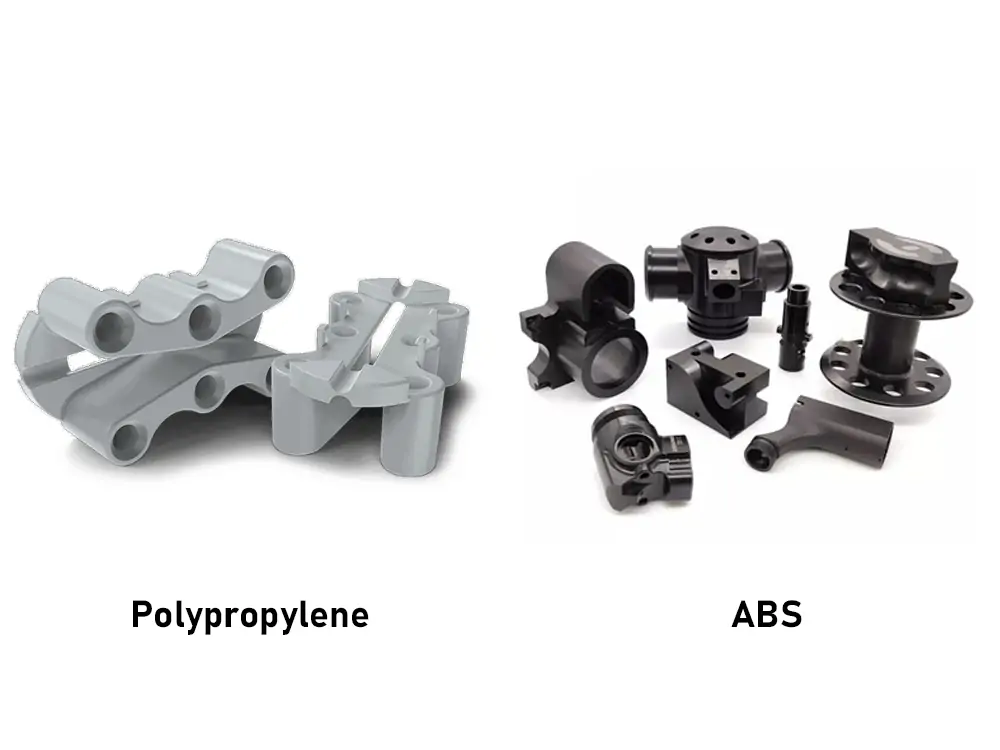
Polypropylene resists many acids, bases, and solvents, which makes it a strong fit for harsh service environments—laboratory ware, chemical storage, and industrial containers are common examples. In additive manufacturing, PP grades are chosen when printed parts must survive solvent contact or elevated wash temperatures.
ABS is less chemically robust. Prolonged exposure to some solvents and acids can degrade the surface or weaken the matrix, so it is a weaker choice when chemical resistance is the primary design driver. For everyday consumer goods and many automotive interior parts where chemical attack is limited, ABS still performs reliably.
2. Impact Resistance
ABS generally wins on impact toughness. Its rubbery butadiene phase helps absorb shocks and resist cracking—useful for bumpers, tool housings, and parts that see drops or vibration. FDM/FFF users often pick ABS when prints must survive rough handling.
Polypropylene is durable for many applications but typically trails ABS on notched impact performance. It can crack under sharp, concentrated loads. That limitation rarely matters for packaging, thin-walled containers, or low-stress covers, where PP’s other advantages dominate.
3. Tensile Strength
Polypropylene usually exhibits lower tensile strength than ABS, meaning it stretches or creeps more readily under sustained load. For lightly loaded covers and disposable formats, that is acceptable; for structural brackets or load-bearing mechanical links, ABS (or a reinforced grade) is often safer.
ABS’s higher stiffness and tensile modulus make it better suited to assemblies that must resist deformation—gearbox covers, mounting flanges, and snap-fit features that must hold dimensional tolerance under stress.
4. Flexibility
Polypropylene is inherently more flexible. It can bend and flex repeatedly without brittle failure, which suits living hinges, strap-like features, and medical or packaging components that must conform during use.
ABS is comparatively rigid. It delivers strength but can crack if over-flexed. In 3D printing, ABS is favored for stiff, durable shells rather than compliant membranes.
5. Heat Resistance
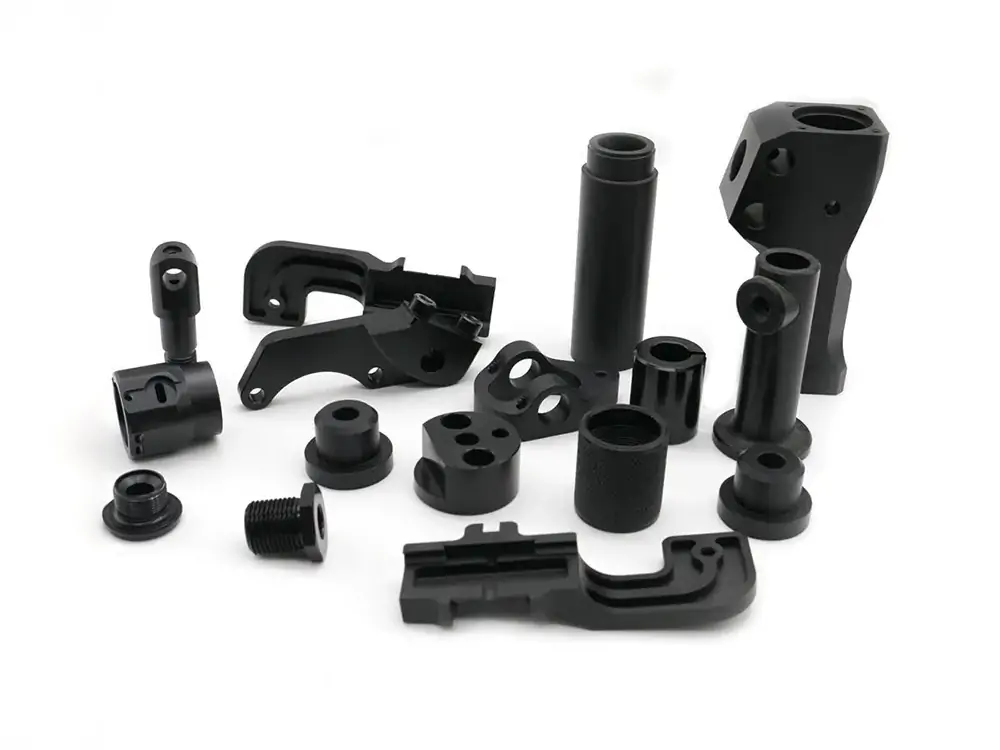
ABS typically tolerates higher service temperatures before significant softening, which helps in under-hood-adjacent plastics, electronics near warm components, and applications where intermittent heat spikes occur. Always confirm with the supplier’s heat-deflection data for your exact grade.
Polypropylene has a lower heat ceiling relative to many ABS formulations. Above its glass-transition region it can warp or lose stiffness, limiting use in sustained high-temperature zones. For extreme thermal duty, metals or high-performance polymers—not commodity PP or ABS—are the realistic options.
6. Surface Finish and Appearance
ABS naturally yields a smoother, glossier aesthetic and accepts sanding, priming, and painting well—ideal for toys, appliance bezels, and visible consumer electronics. Post-processed ABS prints can look production-grade with modest finishing effort.
Polypropylene tends toward a more matte, utilitarian appearance. It is perfectly acceptable for industrial and packaging roles but less compelling when cosmetics drive the specification. PP FFF prints often look more “prototype” unless surface treatments are applied.
7. Ease of Printing (FDM / FFF)
In desktop 3D printing, ABS is often easier to dial in than PP: it adheres predictably to heated beds, interlayer fusion is well documented, and community profiles abound. Trade-offs include warping on large flat parts and the need for ventilation because of styrene-related emissions during extrusion.
Polypropylene is trickier— higher warp tendency, finicky bed adhesion, and narrower processing windows. With a heated enclosure, tuned speeds, and specialty build surfaces, PP can produce flexible, chemical-resistant prints, but expect more trial runs than with ABS.
8. Environmental Impact
Polypropylene is widely recycled in many municipal streams (check local codes) and is frequently specified for lightweight, recyclable packaging. When end-of-life recovery is part of the brief, PP often scores favorably on material efficiency per part.
ABS recycling infrastructure is less uniform; mixed styrenic waste can be harder to reprocess at scale. Durability extends product life—which reduces replacement frequency—but raw recyclability is generally considered weaker than PP for comparable commodity grades.
9. Cost
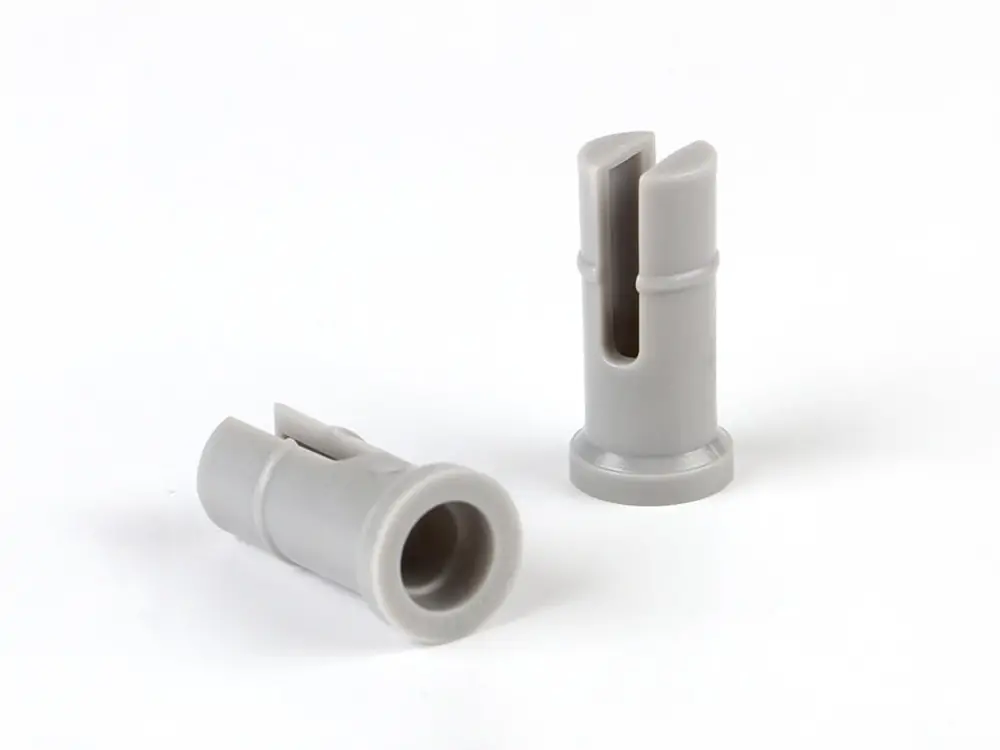
Polypropylene is usually lower cost per kilogram, making it attractive for high-volume disposables, thin-wall packaging, and cost-sensitive automotive interior trim where performance requirements align.
ABS carries a price premium tied to its toughness, stiffness, and finishability. That uplift is justified when impact resistance, rigidity, or cosmetic quality would force over-engineering—or early field failures—if PP were substituted blindly.
10. Applications
Typical polypropylene uses: food-contact and industrial packaging, chemical-resistant containers, automotive interior trim, medical disposables, living hinges, and low-cost prototypes where flexibility and chemical inertness matter more than peak stiffness.
Typical ABS uses: automotive exterior and interior hard trim, electronic enclosures, power-tool bodies, LEGO-style toys, keyboard keys, and functional 3D-printed brackets that must resist impact and accept paint or adhesive bonding.
Frequently Asked Questions
Which is better, polypropylene or ABS?
It depends on the design brief. Choose ABS when you need rigidity, impact strength, heat tolerance, and a premium surface. Choose PP when chemical resistance, flexibility, lightweight economics, or recyclability matter more.
Which is more durable?
Both can last for years in the right application. ABS usually wins on rigid durability and impact survival; PP excels where repeated flexing or chemical exposure dominates the failure mode.
Is ABS cheaper than polypropylene?
No—ABS is typically more expensive than commodity PP. Buyers pay for higher toughness, stiffness, and finish potential.
Is polypropylene waterproof?
Polypropylene is highly water-resistant and widely used in wet environments. ABS also resists moisture and humidity well, though neither replaces proper sealing design where liquid ingress must be blocked entirely.
Which Material Should You Choose?
PP and ABS are both proven thermoplastics—selection should track load, temperature, chemicals, cosmetics, processing method, and unit cost, not brand loyalty.
- Need strength, impact resistance, rigidity, heat performance, and glossy finish? → lean ABS.
- Need chemical resistance, flexibility, low weight, and lowest material cost at volume? → lean polypropylene.
When the decision is borderline, prototype both at representative wall thickness and test under real-world temperature, solvent contact, and drop conditions before locking tooling.